What Is a Fistula Infection?
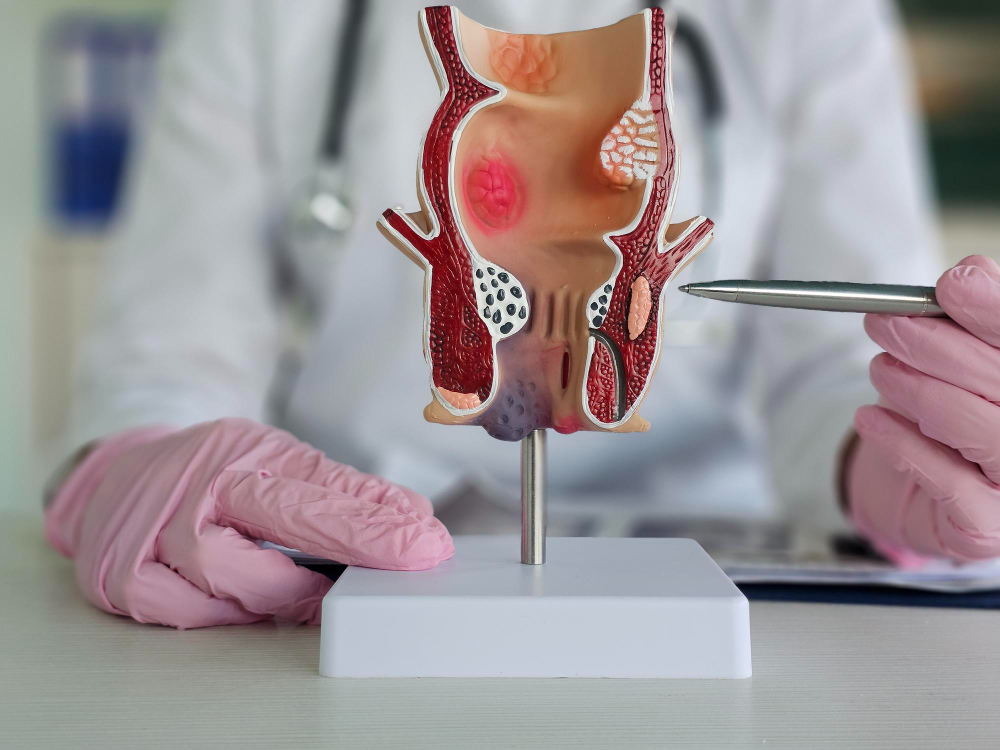
A fistula is an abnormal tunnel that forms between two parts of the body. Most often, it connects an organ to the skin or another organ. When bacteria enter this tunnel, a fistula infection can develop. This infection can cause pain, swelling, and other health problems. Because fistula infection symptoms can get worse quickly, it is important to know what to look for. Early recognition of urgent signs of fistula infection can help prevent serious complications.
Why Immediate Attention Is Important
Prompt care for a fistula infection is vital. If left untreated, the infection can spread to nearby tissues or even the bloodstream. As a result, this can lead to severe illness or life-threatening conditions. For example, untreated infections may cause abscesses, which are pockets of pus that need medical treatment. In some cases, the infection can cause fever, chills, or weakness. Therefore, recognizing urgent signs early can help you get the right treatment and avoid complications.
Key Signs and Symptoms of Fistula Infection
It is important to watch for symptoms that may signal a fistula infection. While some signs are mild, others need quick medical attention. Below are common symptoms and urgent warning signs:
However, not all symptoms are urgent. But if you notice any severe or sudden changes, you should act quickly. For example, a high fever or spreading redness may mean the infection is getting worse.
When to Seek Medical Help
Some signs mean you should see a doctor right away. Early treatment can prevent the infection from spreading. Seek medical help for fistula infection if you notice:
Additionally, if you have other health problems like diabetes or a weak immune system, you should contact your doctor sooner. Quick action can help you recover faster and avoid serious problems.
Prevention and Self-Care Tips
While not all fistula infections can be prevented, you can lower your risk with good care. Here are some helpful tips:
Moreover, regular check-ups with your healthcare provider can help catch problems early. If you notice any changes, report them to your doctor right away.
Conclusion
In summary, fistula infection can become serious if not treated quickly. Knowing the urgent signs of fistula infection helps you act fast. If you notice any signs of fistula infection, consult a healthcare specialist immediately for personalized advice.
Get the right diagnosis and treatment for fistula with expert guidance from Dr. Sumiran Mahajan.