Book your appointment with Dr. Sumiran Ashok Mahajan and take the first step towards better kidney health with expert nephrology care.
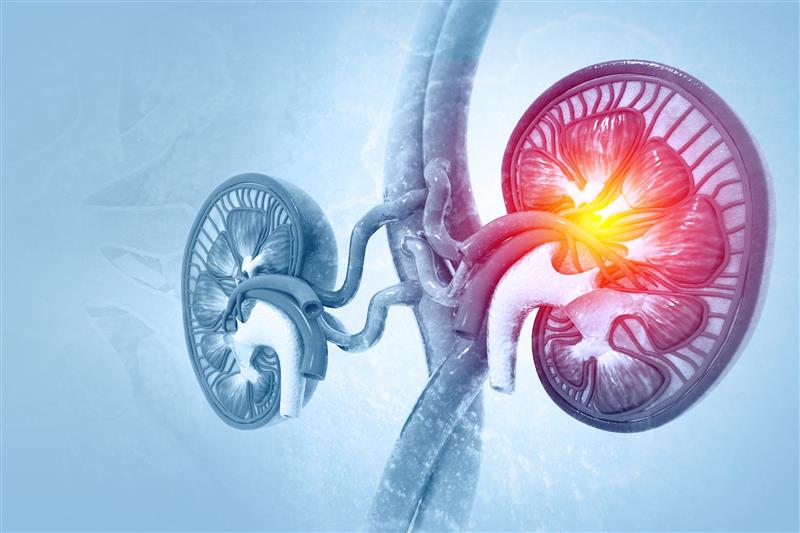
A kidney transplant is a surgical procedure in which a healthy kidney from a donor is placed into a patient whose kidneys are no longer functioning properly. This procedure is typically considered when a person has end-stage kidney disease (ESKD) or chronic kidney failure, which cannot be managed effectively with dialysis.
A kidney transplant is usually recommended when kidney function drops to a critically low level, typically when the kidney’s glomerular filtration rate (GFR) falls below 15%. At this stage, dialysis is often required to filter waste products from the blood. A transplant becomes a viable option to improve the quality of life, as it helps restore kidney function and reduces the dependency on dialysis.
1. Pre-Transplant Evaluation
Before undergoing a transplant, both the recipient and donor (if living) must go through a comprehensive evaluation. This includes physical exams, blood tests, imaging studies, and other health screenings to ensure that both the donor and recipient are suitable candidates for the procedure. The pre-transplant evaluation helps identify any potential risks and prepares the patient for a successful transplant.
2. Finding a Suitable Donor
Once the evaluation is complete, finding a suitable donor is the next crucial step. If the transplant is from a living donor, blood type compatibility and other medical factors are tested. If it’s a deceased donor transplant, a national registry is used to find the best match.
3. Surgery and the Transplantation Process
The kidney transplant surgery typically takes about 3 to 4 hours. During the surgery:
4. Post-Transplant Care
After surgery, the patient is closely monitored in the hospital for a few days. Once discharged, long-term follow-up care is essential. Dr. Sumiran Ashok Mahajan provides comprehensive post-transplant management to monitor kidney function, prevent organ rejection, and ensure the patient’s overall well-being. This includes routine check-ups, lab tests, and medications to prevent rejection.
Dr. Sumiran Ashok Mahajan is a highly skilled and experienced Consultant Interventional Nephrologist and Transplant Physician, specializing in kidney transplants. He is committed to providing personalized care for patients at every stage of the transplant journey—whether it’s pre-transplant evaluation, donor-recipient matching, or post-transplant management. Serving the Thane area, Dr. Mahajan ensures a compassionate, patient-centered approach to kidney care, offering expertise in both ABO-compatible and ABO-incompatible kidney transplants.