Introduction
Starting dialysis can feel overwhelming. However, preparing for your first dialysis session can help ease your worries. Many people have questions about what to expect and how to get ready. This guide will walk you through each step. You will find helpful tips and answers to common questions. With the right information, you can feel more confident about your first visit.
What is Dialysis?
Dialysis is a treatment that helps your body remove waste and extra fluid. Normally, your kidneys do this job. But when your kidneys are not working well, dialysis takes over. There are two main types: hemodialysis and peritoneal dialysis. Most people start with hemodialysis, which uses a machine to clean your blood. According to the CDC, dialysis is safe and helps many people live healthier lives.
Why Might You Need Dialysis?
Some people need dialysis because their kidneys are not working well enough. This can happen due to chronic kidney disease or sudden kidney injury. When waste builds up in your blood, it can make you feel sick. Dialysis helps remove these wastes and keeps your body in balance. Your doctor will explain why you need this treatment and how it can help you feel better.
How to Prepare for Your First Dialysis Session
Physical Preparation
Getting ready for your first dialysis session is important. Here are some steps you can take:
Also, arrive a little early. This gives you time to check in and ask questions.
Emotional Preparation
Feeling nervous is normal. But there are ways to manage anxiety:
Remember, you are not alone. Many people have felt the same way before their first session.
What to Expect During the Session
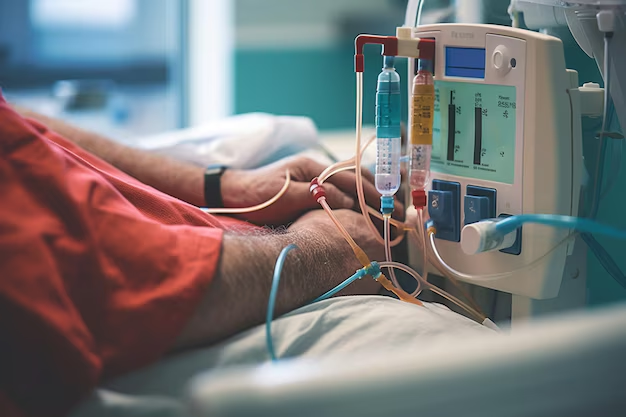
Knowing what happens during dialysis can help you feel more at ease. Here is a step-by-step overview:
Each clinic may have small differences, but the main steps are similar everywhere.
Tips for a Smooth Dialysis Experience
There are many ways to make your dialysis sessions easier. For example, you can:
With these tips, you can feel more comfortable and in control.
Frequently Asked Questions
Conclusion
Preparing for your first dialysis session can help you feel less anxious and more in control. Remember, each person’s experience is unique. For the best advice, consult a nephrologist or dialysis specialist at KIMS HOSPITALS, THANE for personalized guidance.