What is GFR (Glomerular Filtration Rate)?
Glomerular Filtration Rate (GFR) is a test that shows how well your kidneys work. It measures how much blood your kidneys filter each minute. Because your kidneys remove waste and extra fluid, GFR helps doctors know if your kidneys are healthy. In fact, GFR is one of the most important numbers for kidney function.
Why is GFR Important for Kidney Health?
GFR is important because it tells you how well your kidneys clean your blood. If your GFR is low, your kidneys may not remove waste as they should. As a result, waste can build up in your body. This can lead to health problems. Therefore, knowing your GFR helps you and your doctor spot kidney issues early.
How is GFR Measured?
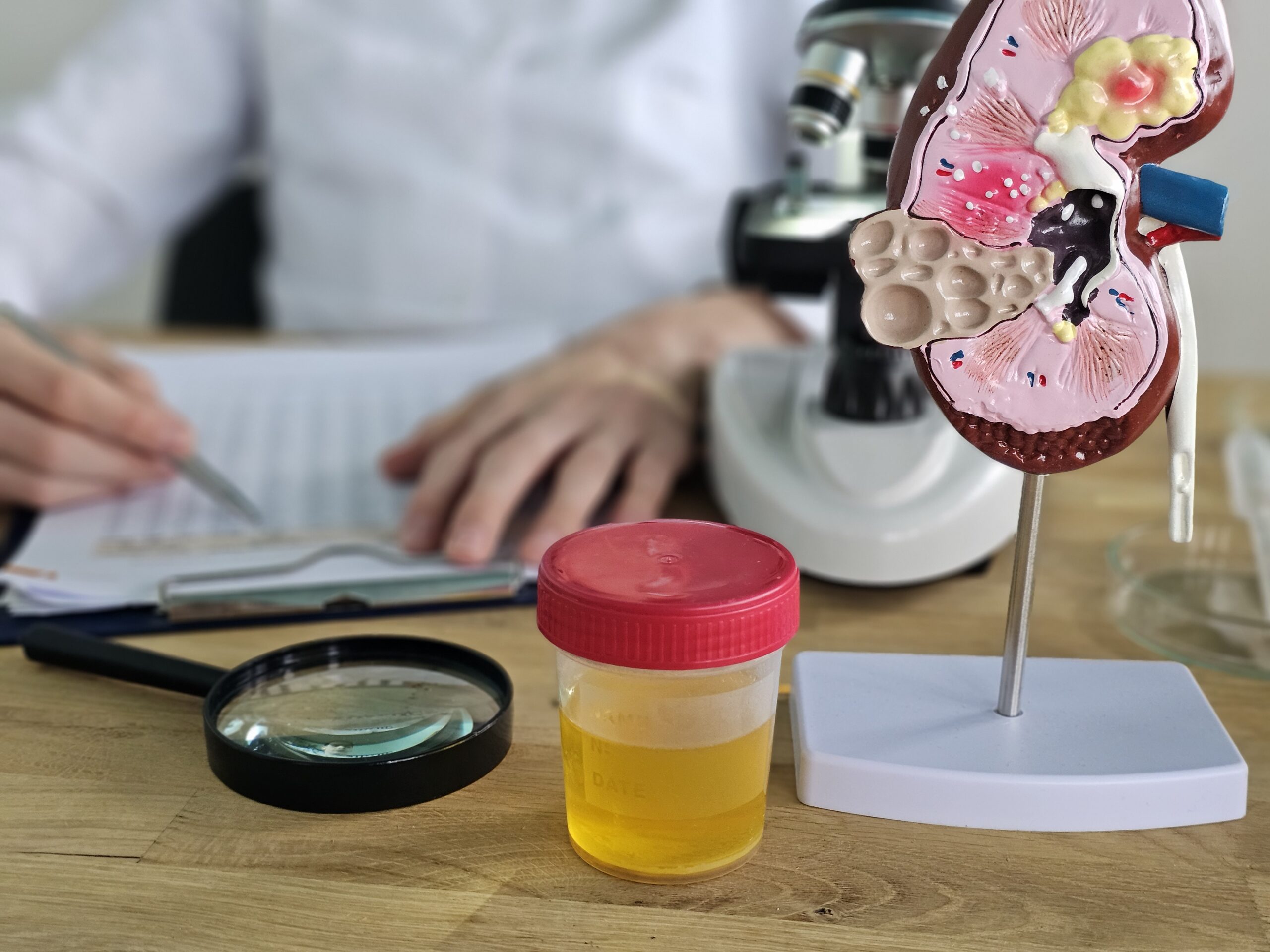
Doctors usually estimate GFR using a blood test. This test checks the level of creatinine, a waste product, in your blood. Then, your age, sex, and sometimes race are used in a formula to estimate your GFR. Sometimes, a urine test may also help. However, the blood test is most common. The GFR test is simple and quick.
Normal GFR Ranges and What They Mean
Normal GFR levels depend on your age. For most healthy adults, a GFR of 90 or higher is normal. However, GFR naturally drops as you get older. Here is a simple guide:
Even so, your doctor will look at other tests and your health history before making a diagnosis.
Causes of Abnormal GFR
Many things can cause a low or abnormal GFR. For example, common causes include:
Because these conditions can harm your kidneys, it is important to manage them well.
Symptoms and Signs of Reduced GFR
Often, early kidney problems do not cause symptoms. However, as GFR drops, you may notice:
Still, these symptoms can be caused by other health issues. Therefore, always talk to your doctor if you notice them.
Diagnosis and Monitoring
Doctors use the GFR test to check kidney function. They may repeat the test over time to watch for changes. In addition, your doctor may order urine tests or imaging scans. These help find the cause of low GFR. Regular monitoring is key for people with diabetes, high blood pressure, or a family history of kidney disease.
Treatment Options and Lifestyle Tips for Maintaining Healthy GFR
There are ways to help protect your kidneys and improve GFR. For example, you can:
Sometimes, your doctor may suggest special treatments. These may include medicines to lower blood pressure or manage diabetes. In severe cases, dialysis or a kidney transplant may be needed. However, most people can slow kidney damage with healthy habits.
Prevention and Early Detection
Early detection of kidney problems can make a big difference. Therefore, get regular check-ups, especially if you have risk factors. These include diabetes, high blood pressure, or a family history of kidney disease. In addition, ask your doctor about the GFR test. Early treatment can help protect your kidneys and keep you healthy.
In summary, understanding your Glomerular Filtration Rate (GFR) is essential for monitoring kidney function and maintaining good overall kidney health. Regular evaluation can help detect kidney issues early and guide timely treatment.
If you have concerns about your GFR or kidney health, consult Dr. Sumiran Mahajan for expert evaluation and personalized advice tailored to your kidney function and overall health needs.