What Is an AV Fistula?
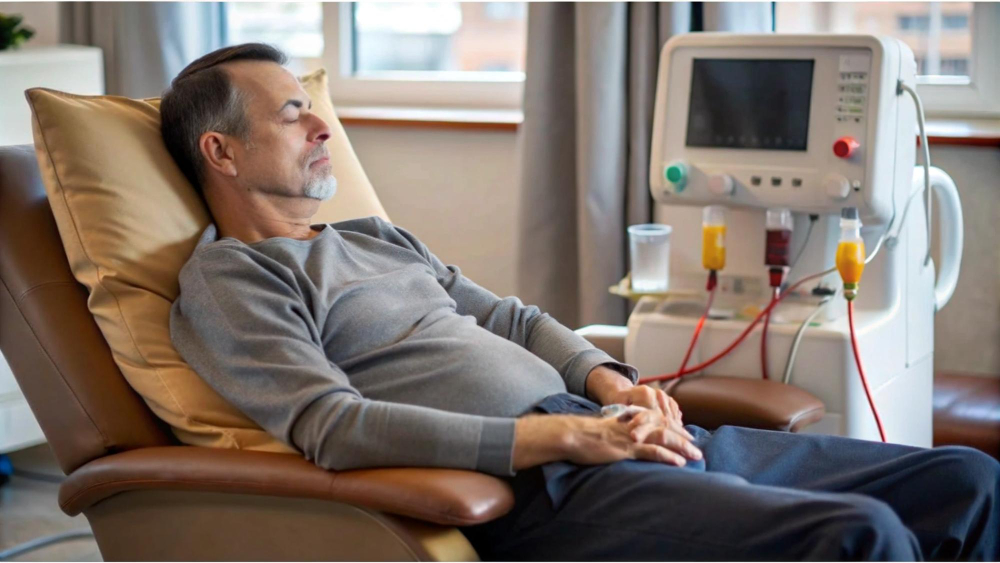
An arteriovenous (AV) fistula is a special connection made by a surgeon. It joins an artery and a vein, usually in your arm. Doctors use it to make dialysis easier and safer. Because it is under your skin, you may feel a soft bump or vibration. This is normal. Many people with kidney disease need an AV fistula for regular dialysis treatments.
Why Is AV Fistula Care Important?
Proper care for your AV fistula keeps it working well. If you care for it every day, you lower the risk of infection and clotting. In fact, a healthy fistula means fewer problems during dialysis. Also, it helps you avoid extra surgeries or hospital visits. For these reasons, caring for your AV fistula at home is very important.
Step-by-Step Daily Care Instructions
Every day, you should check and clean your AV fistula. Here are simple steps for home care for AV fistula:
By following these steps, you help protect your dialysis access at home.
Signs of Infection or Complications
Sometimes, problems can happen even with good care. However, knowing the signs early can help you act fast. Watch for these AV fistula infection signs:
If you notice any of these, do not wait. Contact your healthcare provider right away.
When to Contact Your Healthcare Provider
Even with good care, problems can happen. Therefore, you should call your doctor or dialysis team if:
Early action can prevent serious problems. So, never ignore these warning signs.
Tips for Protecting Your AV Fistula During Daily Activities
Protecting dialysis access at home is key. Here are some helpful tips:
By following these tips, you keep your AV fistula safe and working well.
Common Myths and Facts About AV Fistula Care
Prevention of Complications
Although problems can happen, you can lower your risk. Here are ways to prevent complications:
With these habits, you help your AV fistula last longer and work better.
Conclusion
Caring for your AV fistula at home is simple but very important. Daily care, early action, and safe habits keep your dialysis access healthy. For the best results, consult Dr Sumiran Mahajan at KIMS HOSPITALS THANE for personalized advice on AV fistula care.