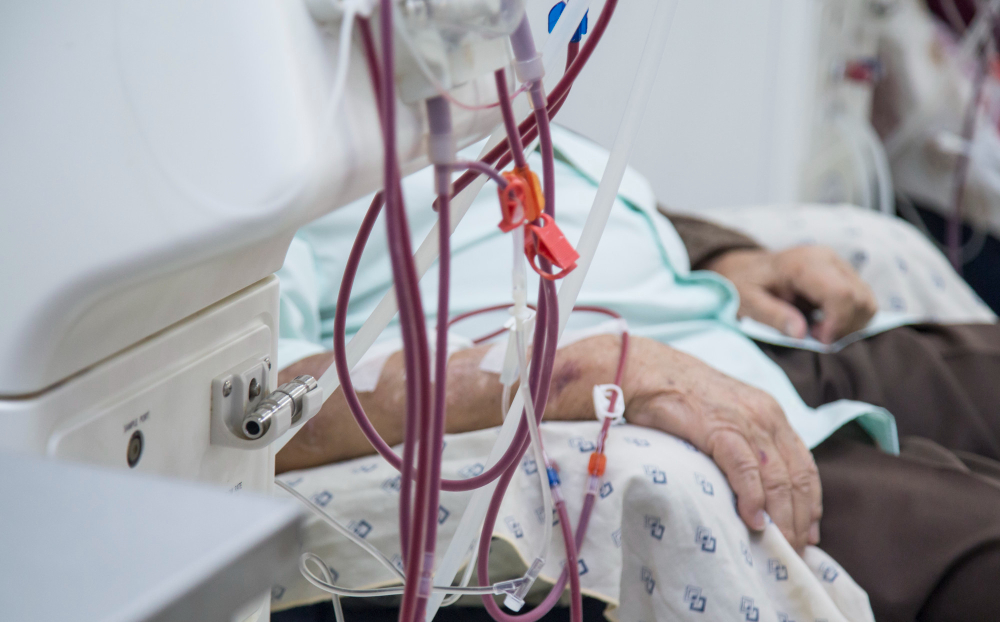
Dialysis adequacy means how well dialysis cleans your blood. It is important for people with kidney failure. Doctors use two main tools to check this: Kt/V and URR. These help in measuring dialysis effectiveness. When dialysis works well, you feel better and stay healthier. In this blog, you will learn about dialysis adequacy, Kt/V in dialysis, and understanding URR.
What Is Dialysis Adequacy?
Dialysis adequacy shows if your treatment removes enough waste from your blood. For many patients, this is a top concern. If dialysis is not adequate, waste builds up. This can make you feel sick. Doctors check adequacy to keep you safe and healthy. They use special tests for this purpose.
Understanding Kt/V: The Basics
Kt/V is a number that shows how well dialysis removes waste. Each letter stands for something:
For example, a higher Kt/V means better cleaning. Most doctors want a Kt/V of at least 1.2 for each session. However, your doctor may set a different goal for you. Kt/V in dialysis is checked often to make sure treatment is working.
What Is URR (Urea Reduction Ratio)?
URR stands for Urea Reduction Ratio. It is another way to check dialysis adequacy. URR measures how much urea, a waste product, is removed during treatment. Urea comes from breaking down protein in food. High levels can be harmful. Understanding URR helps you see how well your blood is cleaned.
Why Measuring Dialysis Adequacy Matters
Measuring dialysis adequacy is important for many reasons. First, it helps prevent symptoms of poor dialysis. These can include:
Additionally, checking Kt/V and URR helps your care team adjust your treatment. This keeps you feeling your best. In places like New York City, clinics follow strict rules to check adequacy often.
How Kt/V and URR Are Calculated
Doctors use blood tests before and after dialysis to find Kt/V and URR. For Kt/V, they look at how much urea is removed compared to your body size. For URR, they compare urea levels before and after treatment. Here is how they do it:
These tests are simple and safe. They help your doctor make sure you get enough dialysis each time.
Factors Affecting Dialysis Adequacy
Several things can change how well dialysis works. For instance, the length of each session matters. If sessions are too short, less waste is removed. Other factors include:
Because these factors can change, your care team checks adequacy often. This helps them spot problems early.
Improving Dialysis Treatment Effectiveness
There are ways to help improve your dialysis adequacy. First, always attend your scheduled treatments. Even missing one session can lower effectiveness. Here are more tips:
With these steps, you can help prevent low adequacy. For example, eating the right foods and taking medicines as prescribed can also help. Your care team is there to support you every step of the way.
Conclusion
If you have questions about your dialysis treatment or want to learn more about Kt/V and URR, the team at Sumiran Mahajan is here to help. Schedule a consultation today to discuss your care and get personalized support.