What Is Fluid Gain Between Dialysis Sessions?
Fluid gain between dialysis sessions means your body holds extra water between treatments. This happens because damaged kidneys cannot remove enough fluid on their own. As a result, people on dialysis often notice weight gain from fluid build-up. Usually, this extra fluid is measured by weighing yourself before each session. For many, monitoring fluid gain between dialysis sessions is key to staying healthy. Too much fluid can stress your heart and cause swelling. Therefore, it is important to understand why this happens and how to manage it.
Understanding Dry Weight in Dialysis
Dry weight is your weight after a dialysis session, when your body has just the right amount of fluid. It is the weight where you feel best, with no swelling or shortness of breath. Doctors and nurses help find your dry weight by checking your blood pressure, looking for swelling, and asking about symptoms. Monitoring dry weight in dialysis helps guide how much fluid to remove during each session. If your dry weight is set correctly, you are less likely to feel weak, dizzy, or have cramps after dialysis. In short, knowing your dry weight is vital for good health.
Causes of Fluid Gain Between Dialysis Sessions
Several things can cause fluid gain between dialysis sessions. Understanding these can help you avoid extra fluid build-up. Common causes include:
Because these causes are common, it is important to be mindful every day.
Risks and Complications of Excess Fluid Gain
Too much fluid gain between dialysis sessions can lead to serious health problems. According to the Centers for Disease Control and Prevention (CDC), extra fluid can raise blood pressure and cause swelling in your legs, feet, or hands. In addition, it can put extra strain on your heart. Over time, this may lead to heart failure or trouble breathing. The World Health Organization (WHO) also notes that managing fluid overload in kidney disease is important to prevent hospital stays and other complications. For example, too much fluid can make it hard for your lungs to work well. Therefore, keeping fluid gain in check is very important.
Monitoring and Managing Dry Weight
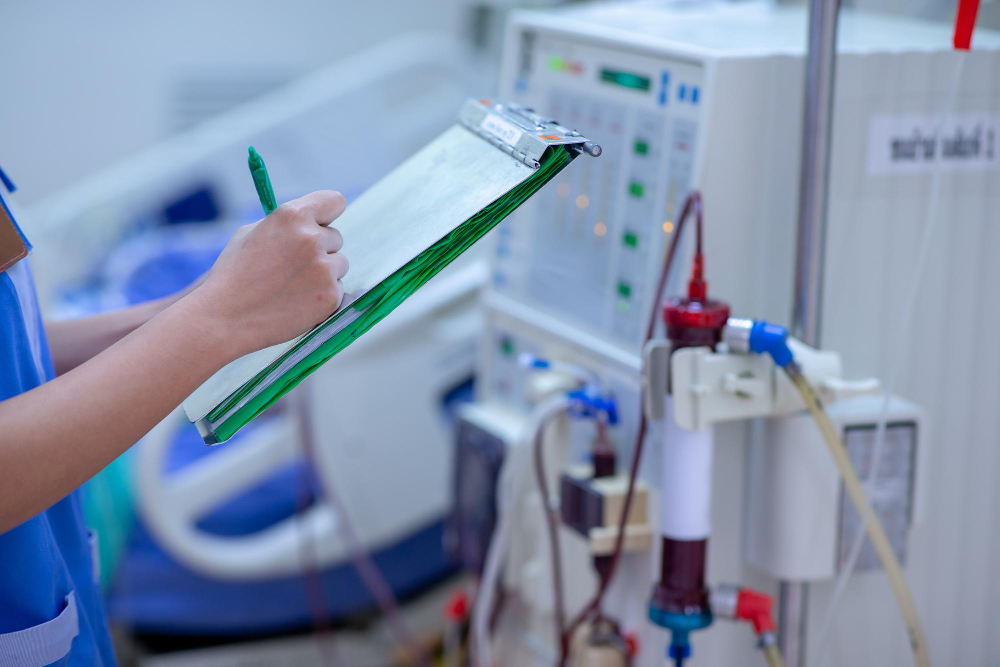
Healthcare teams check your weight before and after each dialysis session. This helps track how much fluid you gain and lose. Patients can help by weighing themselves at home and keeping a daily log. If you notice a big change, tell your care team. Managing fluid overload in kidney disease also means following your fluid limits. For example, use small cups for drinks and measure how much you drink each day. Avoid salty foods, as they make you thirsty. When you work with your care team, you can prevent complications from fluid retention.
Prevention Strategies for Fluid Gain
There are many ways to prevent fluid gain between dialysis sessions. Try these tips to help control fluid retention:
By following these steps, you can better manage your fluid balance.
When to Seek Medical Advice
Sometimes, fluid gain between dialysis sessions can become dangerous. Watch for these warning signs and contact your healthcare provider if you notice:
If you have any of these symptoms, it is important to get medical help right away.
Conclusion
If you are concerned about fluid gain or managing your dry weight, reach out to Sumiran Mahajan. Schedule a consultation today to get the care and advice you need for your dialysis journey.