Introduction to Kidney Stones and Renal Health
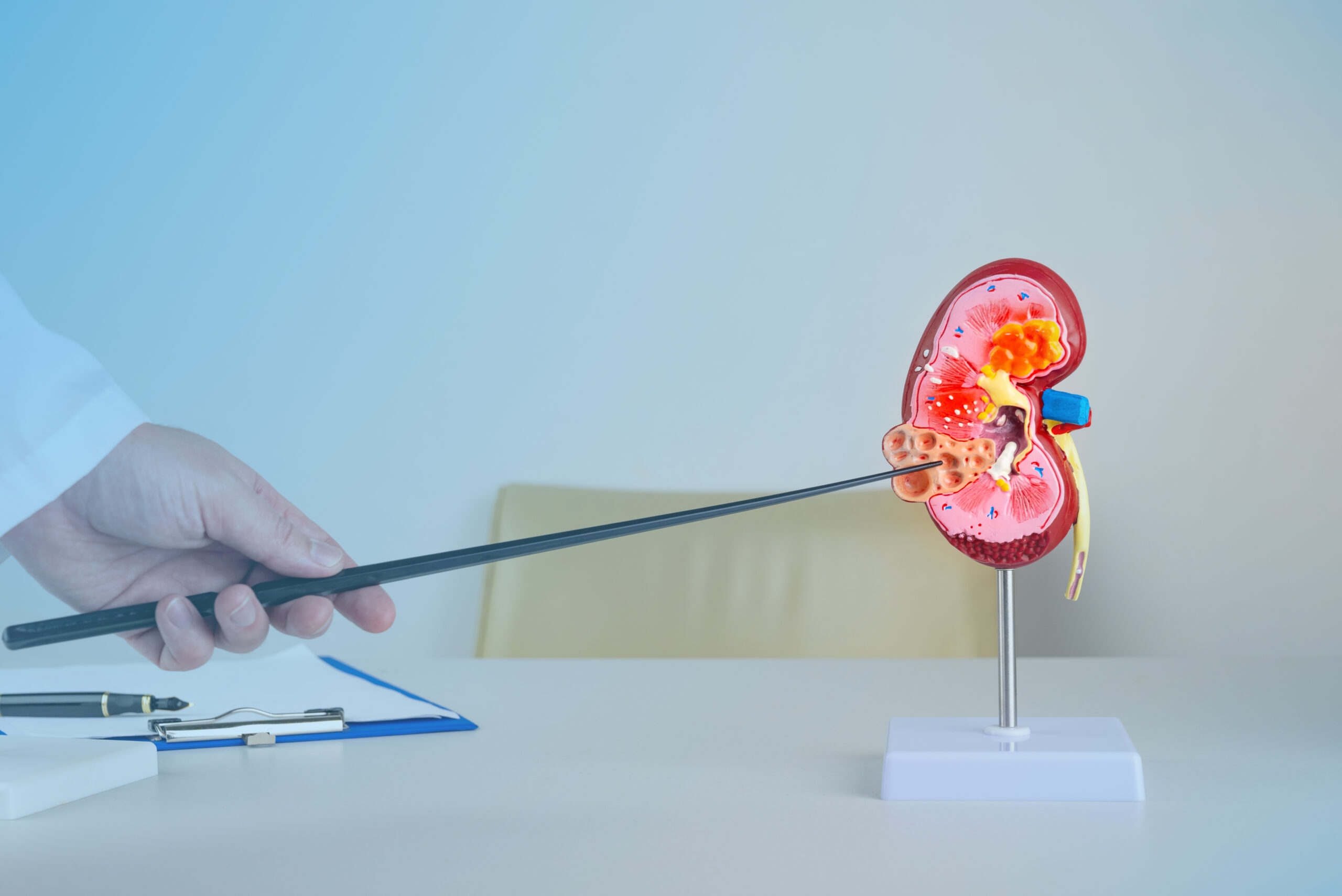
Kidney stones are hard deposits that form in your kidneys. They can cause pain and affect your renal health. Your kidneys help remove waste from your blood. When stones form, they can block this process. Because kidney stones are common, it is important to know the signs and ways to prevent them. Good renal health keeps your body working well.
Common Symptoms of Kidney Stones
Kidney stone symptoms can vary. Sometimes, you may not notice them at first. However, as stones move, they can cause discomfort. Watch for these signs:
If you notice these symptoms, seek medical help. Early care can prevent more problems.
Causes and Risk Factors
Kidney stones form when minerals build up in your urine. Several factors can increase your risk. For example, not drinking enough water can lead to stones. Eating a diet high in salt or protein also raises your risk. Some people have a family history of kidney stones. Other risk factors include:
Because these factors can add up, it is important to know your risks.
Diagnostic Methods
Doctors use several tests to find kidney stones. First, they may ask about your symptoms. Then, they might order urine or blood tests. These tests check for signs of stones or infection. Imaging tests help locate the stones. Common methods include:
With these tests, doctors can choose the best treatment for you.
Treatment Options for Kidney Stones
Treatment for kidney stones depends on their size and location. Small stones often pass on their own. Drinking plenty of water helps move them. However, larger stones may need more care. Doctors may suggest:
After treatment, your doctor may test the stone. This helps find out what caused it. Then, you can take steps to prevent new stones.
Prevention Strategies
Preventing kidney stones is possible. Because stones often return, prevention is key. Try these tips:
In some areas, water may have more minerals. If you live in such a place, filter your water or use bottled water to lower your risk.
Lifestyle Guidance for Kidney Health
Good habits support your renal health. For example, drink water throughout the day. Choose fresh foods over processed ones. Also, avoid sugary drinks and limit caffeine. If you have a family history of kidney stones, talk to your doctor. They can suggest extra steps for you. Regular check-ups help catch problems early. Because your kidneys are vital, caring for them is important.
Conclusion
Kidney stones can be painful, but you can take steps to prevent them. Early diagnosis and treatment protect your renal health. For personalized advice on kidney stones and renal health, consult Dr. Sumiran Mahajan.