Introduction
Ultrasound-guided kidney biopsy services help doctors find out what is happening inside your kidneys. In nephrology, these services are important for diagnosing kidney problems. With ultrasound guidance, doctors can safely collect a small piece of kidney tissue. This sample helps them understand the cause of kidney disease. Because the procedure uses ultrasound, it is safer and more accurate than older methods. Many people have questions about what to expect. This blog will explain the process, benefits, and safety of ultrasound-guided kidney biopsy services.
What Is an Ultrasound-Guided Kidney Biopsy?
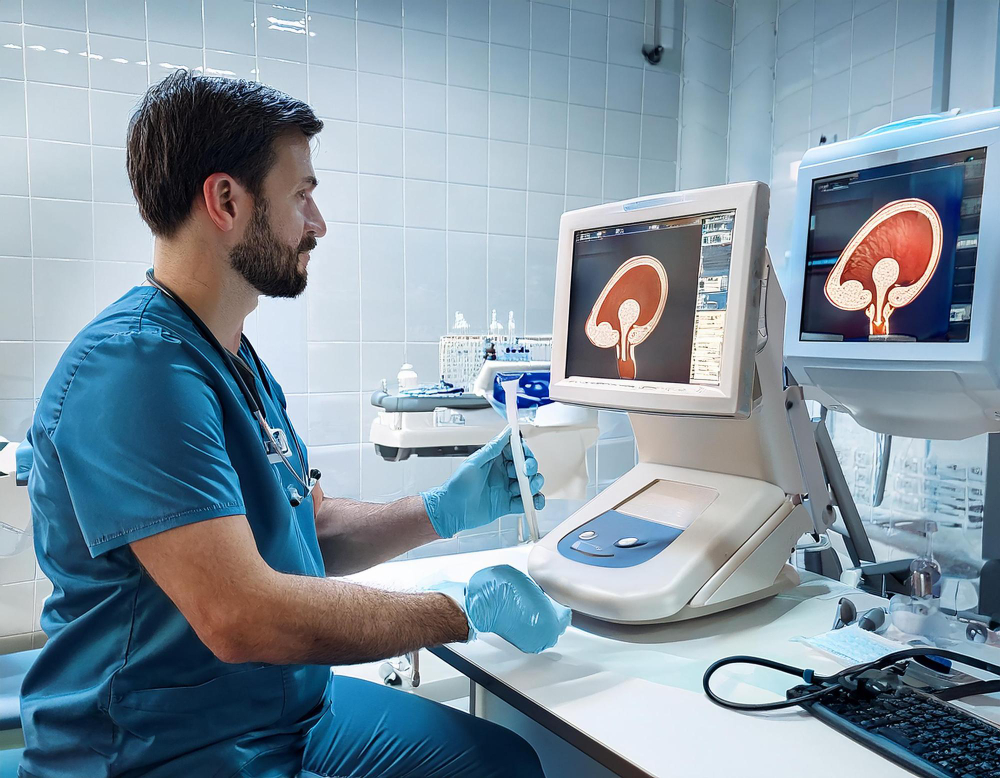
An ultrasound-guided kidney biopsy is a simple medical test. During this test, a doctor uses an ultrasound machine to see your kidneys. Next, the doctor gently inserts a thin needle into the kidney. The ultrasound helps guide the needle to the right spot. Then, a small piece of kidney tissue is removed. This tissue is sent to a lab for testing. Because the doctor can see the kidney in real time, the procedure is safer and more accurate.
Why Is It Needed?
Doctors may recommend a kidney biopsy for several reasons. For example, it helps find the cause of blood or protein in your urine. Sometimes, it is needed to check for kidney inflammation or infection. In other cases, doctors use it to see how well a kidney transplant is working. Additionally, a biopsy can help plan the best treatment for kidney disease. Without this test, it can be hard to know the exact problem.
How the Procedure Works
Knowing what to expect can ease your worries. Here is a step-by-step guide:
Benefits and Advantages
Ultrasound-guided kidney biopsy services offer many benefits. First, the ultrasound helps the doctor see the kidney clearly. This means the needle goes to the right spot, making the test more accurate. Second, the procedure is less invasive than surgery. Because of this, recovery is faster and easier. Also, using ultrasound lowers the risk of problems, such as bleeding. For these reasons, most doctors prefer this method for kidney biopsies.
Risks and Safety Considerations
Although the procedure is safe, there are some risks. For example, you may have mild pain or bruising at the biopsy site. Rarely, there can be bleeding or infection. However, doctors use ultrasound to avoid blood vessels and lower these risks. In addition, you will be closely watched after the test. If any problems occur, they are usually treated quickly. According to the World Health Organization, serious problems are rare.
Preparation and Aftercare
Proper preparation helps the procedure go smoothly. Here are some tips:
After the biopsy, take it easy for at least a day. Drink plenty of water unless told otherwise. Watch for signs of bleeding, such as red urine. If you have fever, severe pain, or heavy bleeding, contact your doctor right away.
Frequently Asked Questions
Conclusion
In summary, ultrasound-guided kidney biopsy services are safe, accurate, and helpful in diagnosing kidney problems. Because the procedure uses ultrasound, risks are lower and recovery is quick. If you have questions or need more details, consult Dr. Sumiran Mahajan for personalized guidance on ultrasound-guided kidney biopsy services.